MEL

STANFILL

Professor
Texts & Technology Program
and Department of English
University of Central Florida

BRINGING FOUCAULT

TO FANDOM

SINCE 2006.

Meet Mel Stanfill

Media studies scholar Mel Stanfill is Professor in the Texts and Technology program and Department of English at the University of Central Florida, where they also serve as Program Coordinator of the Texts and Technology PhD. Their research examines how people interact with media, from television to social platforms, and how technology, identity, law, and economics shape cultural access and interpretation. Stanfill’s newest book, Professor Superstar: Fandom and Antifandom of Academia (University of Michigan Press, 2026), turns fan studies methods on the academy itself. Their previous book, Fandom Is Ugly: Networked Harassment in Participatory Culture (New York University Press, 2024), won the 2025 National Communication Association Diamond Anniversary Book Award. With Bridget Kies, they recently published Teaching AI in Film and Media Studies (Routledge, 2025). Stanfill co-edits Transformative Works and Cultures. They are co-principal investigator, with Anastasia Salter, on a National Endowment for the Humanities grant supporting a digital humanities generative AI learning community. They have provided expert commentary to outlets including Wired UK, Teen Vogue, and the Daily Dot.

Leadership ROLES

Co-Editor
Transformative Works and Cultures Journal (2021-Present).

Program Coordinator
UCF Texts & Technology Ph.D. Program (2019-Present).

BOOKS BOOKS BOOKS

PROFESSOR SUPERSTAR PROFESSOR SUPERSTAR

PROFESSOR SUPERSTAR

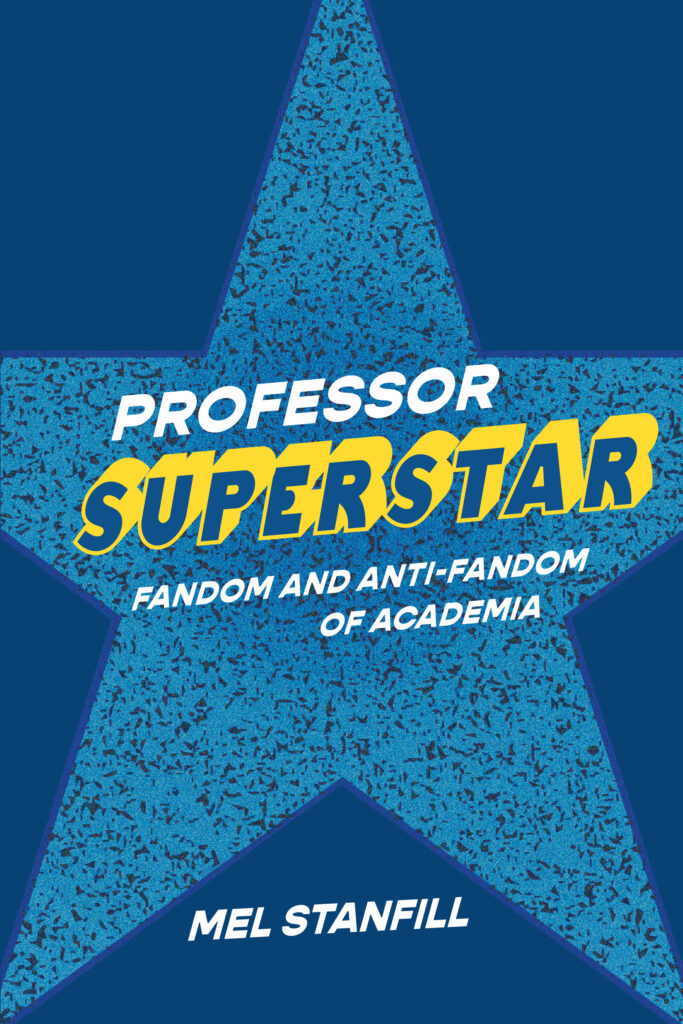
Examining celebrity and fan studies together, Professor Superstar argues that academia shares key traits with fandom, including collective emotional investment, shared interpretation of texts, and identity formation. Universities are often seen as isolated from everyday life, creating an atmosphere of both fascination and resentment. Some academics even go on to become field-specific microcelebrities. Some celebrate their influence while others resent their prominence, leading to both fandom and anti-fandom and reflecting broader social struggles as universities become battlegrounds for economic and political debates. The audiences engaging with academia extend beyond the students and faculty directly involved, creating multiple and conflicting interpretations of what academia represents. Public perceptions of academia are shaped less by its reality than by competing narratives about its role in society. By taking these dynamics seriously, we can better understand the cultural forces shaping both admiration and hostility toward higher education.

Professor Superstar takes a unique approach, weaving the interconnectedness between academia and fandom and tracing how we can use one to better understand the other.” —Shira Chess, University of Georgia

“Social media culture has supercharged academia’s star system—creating fervent fans, passionate anti-fans, and an online world driven by ‘feels.’ In this fascinating and urgently needed book, Mel Stanfill reads academia as a cultural text, revealing the contradictions and contestations in higher education today.” – Brooke Erin Duffy, Cornell University

FANDOM IS UGLY

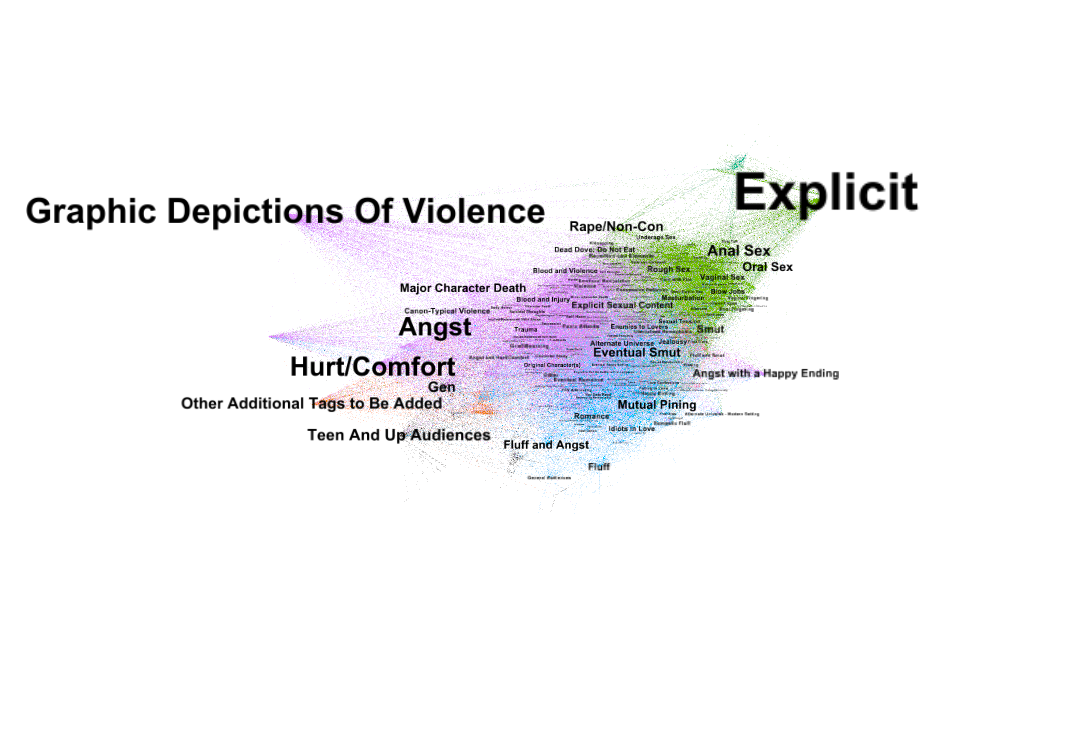
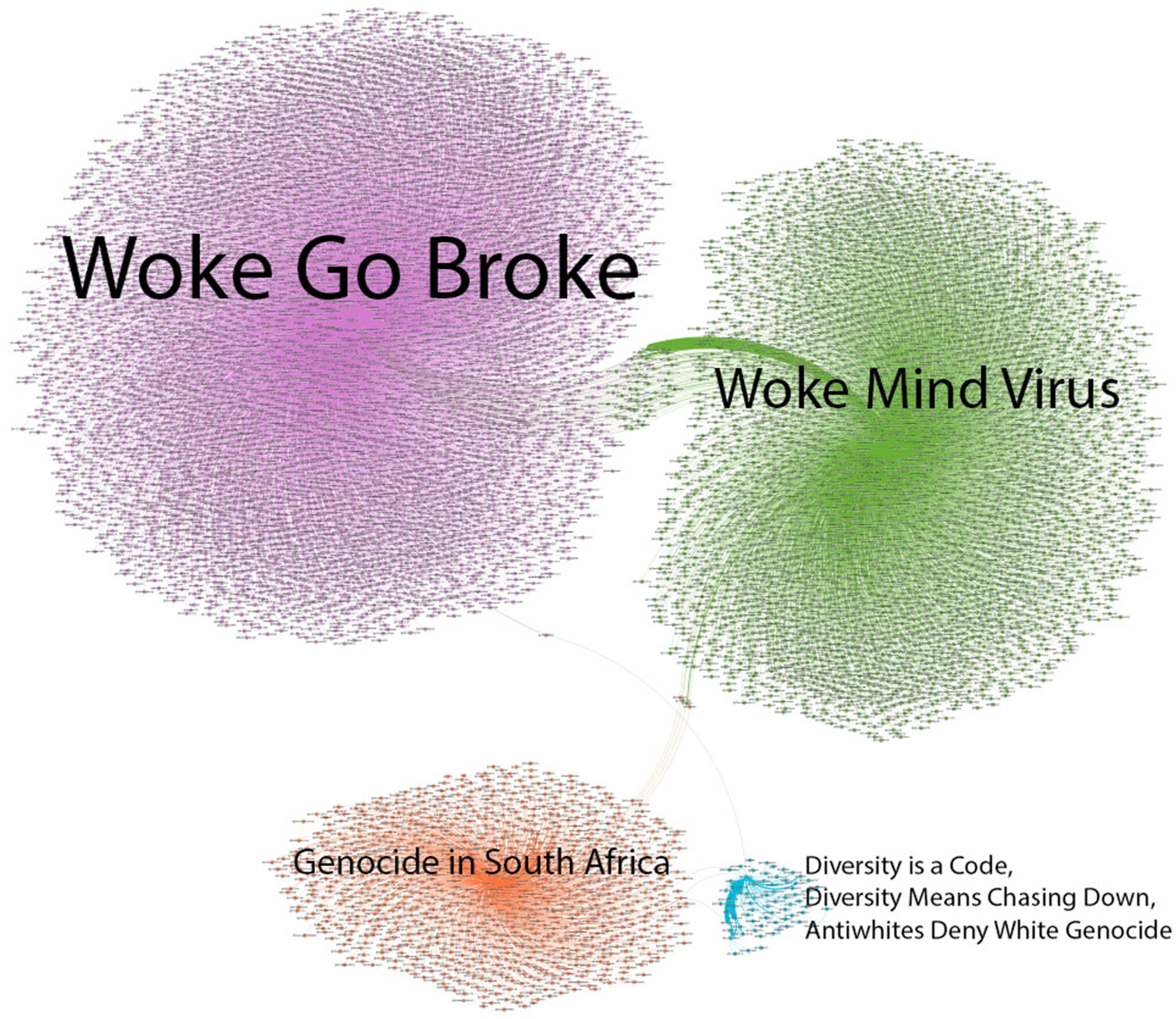
Fandom Is Ugly: Networked Harassment in Participatory Culture (NYU Press, 2024) examines how targeted harassment functions as a tool of social control within fan communities and beyond.

Winner of the 2025 National Communication Association Diamond Anniversary Book Award, given to the most outstanding scholarly book(s) published during the previous year.

Explore other books

Teaching AI in Film and Media Studies (2025)

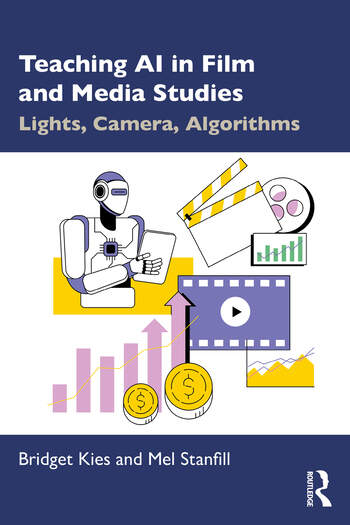
Teaching AI in Film and Media Studies argues for teaching AI literacy as an extension of media literacy, equipping students to interrogate AI's biases and limitations. Each chapter offers readings, activities, and assignments to explore AI's impact across widely taught topics, from copyright and authorship to production, archival research, media labor, and fan cultures.

Rock This Way (2023)

Rock This Way examines transformative musical works—cover songs, remixes, mash-ups, parodies, and soundalike songs—to discover what contemporary American culture sees as legitimate when it comes to making music that builds upon other songs.

A Portrait of the Auteur as Fanboy (2020)

A Portrait of the Auteur as Fanboy discusses both popular fanboys, such as J. J. Abrams, Kevin Smith, and Joss Whedon, as well as fangirls like J. K. Rowling, E L James, and Patty Jenkins, and dissects how the fanboy-fangirl auteur dichotomy is constructed and defended by popular media and fans in online spaces, and how this discourse has played in maintaining the exclusionary status quo of geek culture.

Exploiting Fandom (2019)

Exploiting Fandom looks at who exactly the industry considers “proper fans” in terms of race, gender, age, and sexuality, and interrogates how digital media have influenced consumption, ultimately finding that the invitation to participate is really an incitement to consume in circumscribed, industry-useful ways.

MEDIA &
PRESS

As a researcher of fandom and social media, Mel regularly assists journalists and the press with coverage of issues in digital culture. Below are some recent articles featuring Mel as a subject-matter expert.

Recent Interviews

Mel chats with NPR about how modern fandom dynamics—highlighted through Chappell Roan’s experience—are frequently misinterpreted, underscoring fan culture’s complex and sometimes problematic nature.

Mel talks with David Levine of Hearsay Culture Network Radio about the darker side of fan culture in the digital age. 

Mel covers Fandom is Ugly and its bigger implications with Rebekah Buchanan on the New Books Network Podcast.

Other Press Coverage

RESEARCH & TeACHING AREAS

Media Studies

Queer Theory

Fan Studies

Critical Race Studies

Digital Humanities

Working with

#socialmedia

Tools and Data

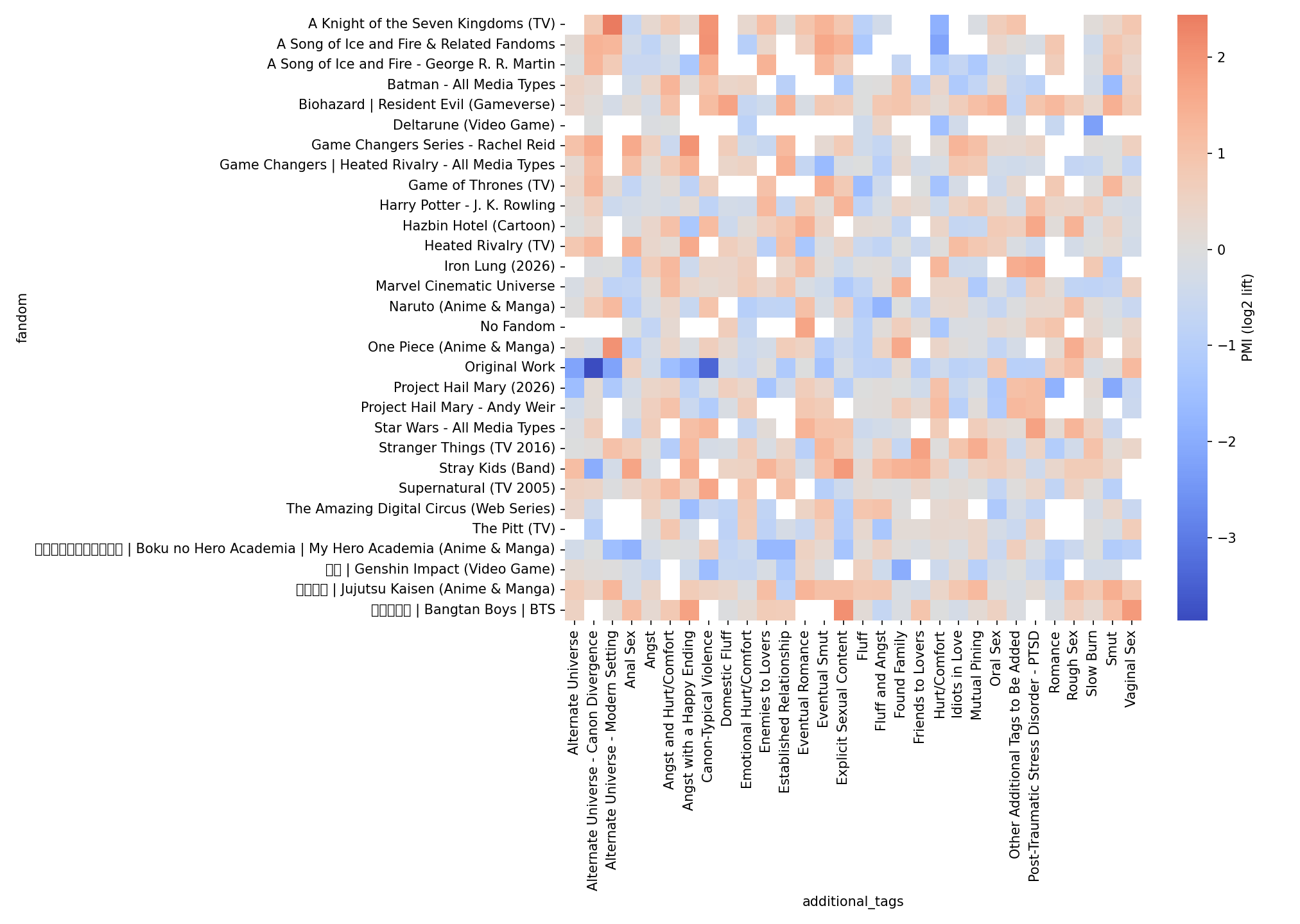
Mel regularly teaches and facilitates workshops on using digital humanist tools for collecting and analyzing social media data, including data visualization tools, text mining tools, concordances, and more.